Fighting food waste with innovative Japanese technology
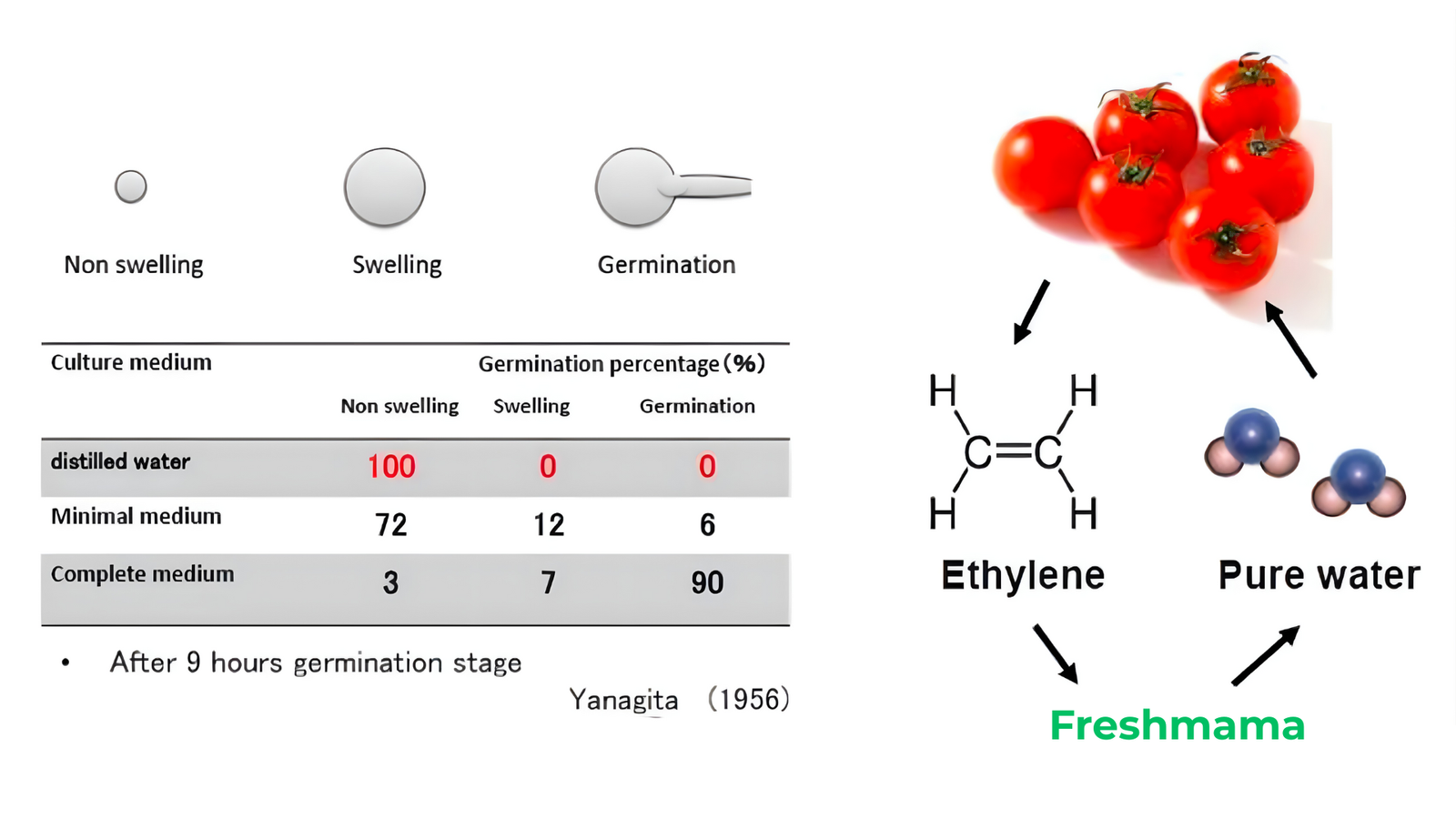
Developed in Japan, Freshmama uses innovative technology to control ethylene gas — the main cause of aging in fruits and vegetables.
By breaking down ethylene into carbon dioxide and water, Freshmama helps slow the ripening process and maintain natural freshness even in dark or refrigerated conditions.
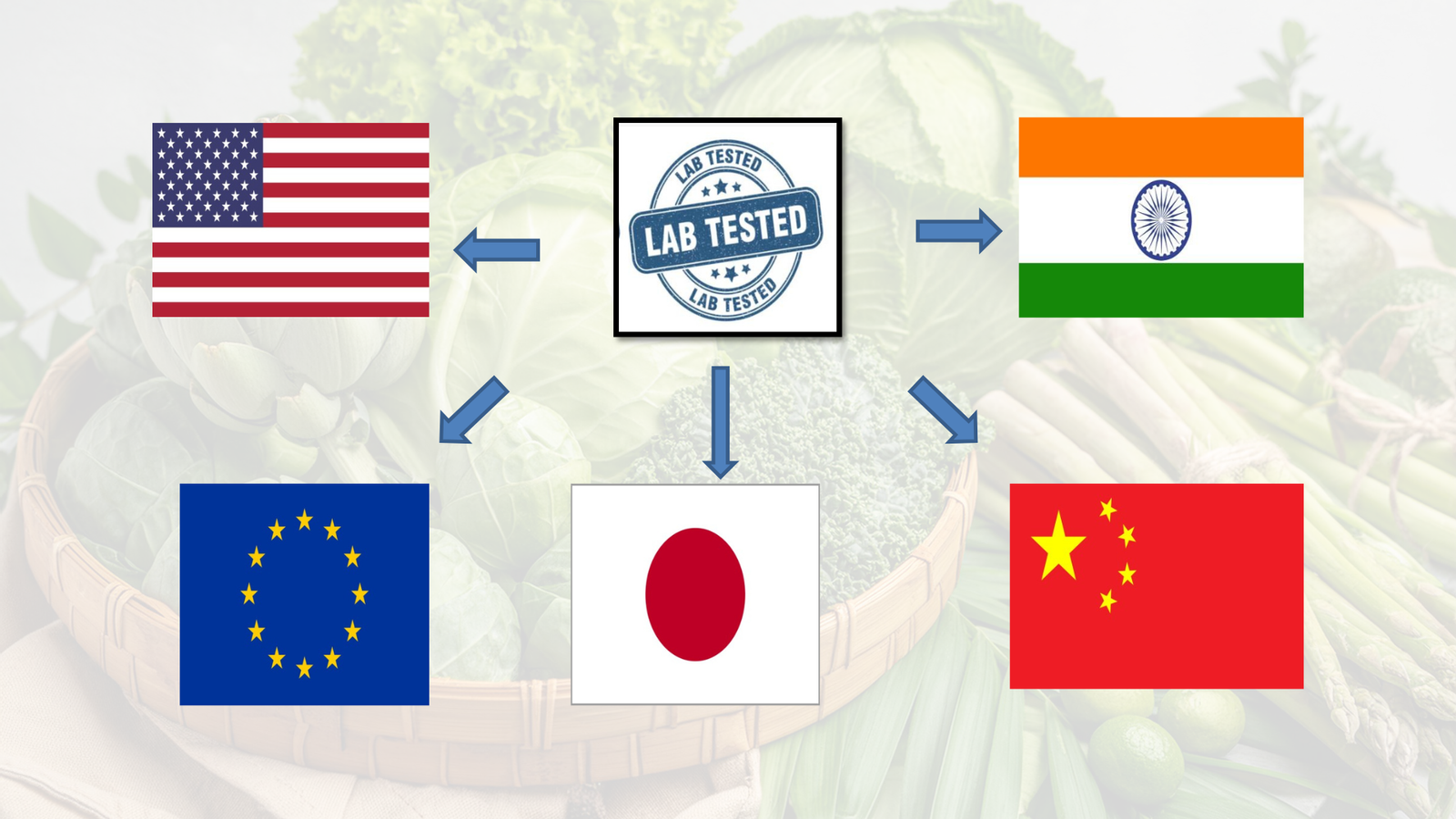
Scientifically tested and validated by the Institute of Scientific and Industrial Research, Osaka University, Freshmama is one of the world's first proven preservation sheets designed to keep food fresher, longer — naturally and safely.
During transportation and storage, temperature changes and ethylene gas can cause fruits and vegetables to ripen too fast — leading to spoilage and financial loss.
Freshmama helps control these effects by maintaining freshness and reducing damage caused by ethylene buildup, moisture, and microorganisms.
By keeping produce in better condition from farm to market, Freshmama helps cut down food waste, extend shelf life, and lower overall production and logistics costs.
Early Stage of Spore Germination
Freshmama's unique technology breaks down ethylene gas — the main cause of fruit and vegetable aging — into harmless carbon dioxide and water.
This process helps slow down ripening and prevents spore germination and mold growth, keeping your food cleaner and fresher for longer.
Validated by studies such as those from Osaka University and based on scientific research by Yanagita (1956), Freshmama is backed by real data — proving that freshness can be extended safely and naturally.
Innovative, safe, and eco-friendly preservation solutions
Freshmama utilizes advanced Japanese technology that preserves food freshness without any harmful chemicals.
Our preservation sheets work naturally by controlling ethylene gas, with no chemical additives or preservatives.
Certified safe for direct use with fruits and vegetables, maintaining natural taste and nutrition.
Sustainable technology that reduces food waste while protecting the environment.
Backed by extensive research and testing from Japanese food preservation experts.